
What Does Liability Mean in Insurance?
Liability in insurance refers to your legal responsibility for injuries or damage you cause to others. Most insurance policies, whether auto, home, or business, include liability protection because accidents do happen, and being held legally responsible can lead to costly consequences. In Covington, TN, liability insurance is especially relevant for local lifestyles that involve homeownership, driving on rural roads, and community activities.
Why Do Local Residents Need Liability Insurance?
In the city, liability insurance protects area households and individuals from financial loss if they are found at fault in an accident or incident. For example, if a local driver unintentionally rear-ends another car during a heavy rainstorm, liability coverage on their auto policy helps cover damages or medical costs for the other party.
Similarly, homeowners in Covington may face risks unique to the area, such as injuries occurring on wet porches after a spring thunderstorm or a neighbor's tree limb falling and damaging property. Liability insurance helps manage these common risks, providing peace of mind that personal assets are protected if someone else is harmed due to negligence.
How Does Liability Coverage Actually Work?
Liability insurance activates when the policyholder is legally responsible for harm to others—either bodily injury or property damage. It pays, up to the policy limits, for the injured party's losses. This often includes:
- Medical bills resulting from physical injuries
- Repairs to damaged property (such as vehicles, fences, or mailboxes)
- Legal defense costs if a lawsuit occurs
- Settlements or court judgments
For example, if a dog belonging to a resident escapes a yard and bites a passerby, the homeowner's liability coverage may help pay for that person's medical expenses and defend against any legal claims.
What Types of Insurance Policies Include Liability Protection?
Several types of common insurance available to Covington households incorporate liability:
- Auto Insurance: Liability is required by Tennessee state law. It covers injuries and property damage to others after an auto accident where the policyholder is at fault.
- Homeowners Insurance: Protects against accidents happening on the property or damage caused to others, whether from slips and falls or fallen tree branches.
- Renters Insurance: Similar to homeowners policies, but tailored for tenants rather than property owners.
- Business Insurance: Covers legal responsibility for injuries or damage arising from everyday operations or accidents on business premises.
Each policy type sets its own limits and exclusions, so carefully reading policy documents or seeking clarification is important for understanding exact protections.
How Much Liability Insurance Is Enough?
State regulations set minimum auto liability limits, but policyholders often choose higher protection for greater security. In practical terms, a serious accident or lawsuit could exceed minimum requirements, resulting in personal out-of-pocket costs if coverage falls short.
Local factors—such as driving in high-traffic zones during school drop-off, owning a swimming pool, or hosting neighborhood gatherings—can increase potential liability exposure. Residents should consider:
- The total value of assets at risk (home, savings, vehicles)
- Typical costs of injuries or accidents in the region
- Personal tolerance for financial risk
Umbrella policies are sometimes used for extra liability protection above what standard policies offer, particularly for those with significant assets or unique risks.
What Are Common Misunderstandings About Liability Insurance?
There are a few prevalent misconceptions among area residents:
- Liability insurance covers personal injuries or property: It does not pay for the policyholder’s own medical bills or property repairs—only for losses suffered by others.
- All incidents are covered: Policies may exclude certain scenarios, like intentional harm, business-related activities not disclosed on a personal policy, or liabilities related to restricted dog breeds.
- Renters don’t have liability risks: Even without property ownership, renters can still be responsible for guest injuries or for causing apartment fires that harm others.
Understanding what is and is not covered helps avoid gaps in protection.
What Situations Trigger Liability Claims in This Community?
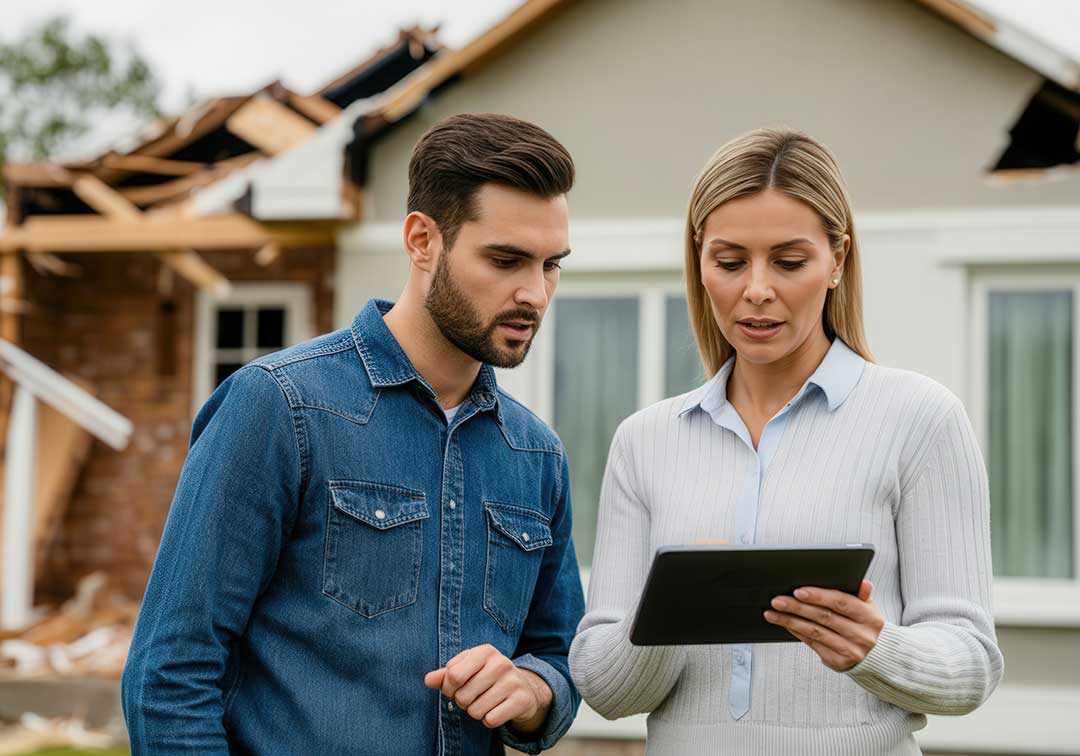
In the local setting, several situations commonly result in liability claims:
- Auto collisions at rural intersections with limited visibility
- Fall injuries on sidewalks during icy winter mornings or after summer thunderstorms
- Accidental property damage by children, such as baseballs through neighbors' windows
- Dog bites or animal-related injuries, especially where pets may accidentally leave fenced areas
Knowing common claim sources helps area households and individuals evaluate their risk and take reasonable preventive measures.
What Should Residents Look for When Reviewing Liability Coverage?
Careful policy review is key. Residents are encouraged to:
- Check liability limits on auto, home, or renters policies and consider how these compare to potential risks
- Review exclusions and ask about situations unique to the community, such as seasonal flooding or frequent gatherings
- Clarify provisions for legal defense and how the insurer handles settlements
- Understand claim filing procedures and documentation needed after an incident
Documentation, including photographs, incident reports, or statements from those involved, can help in the event of a claim.
How Can Households Lessen Their Liability Risks?
Simple, proactive steps may reduce the likelihood of causing harm and triggering a claim. For example:
- Maintaining sidewalks and steps to prevent slips in wet weather
- Supervising pets when outdoors, especially in unfenced yards
- Using caution during backyard barbecues or gatherings where guests may be present
- Keeping vehicles well-maintained to lower accident risk, especially during high-traffic seasons
By understanding both the protections provided and limitations of liability insurance, local residents are better equipped to safeguard their finances and help foster a safer, well-prepared community.